
→ How to Prepare for an Adventurous Motorcycle Trip
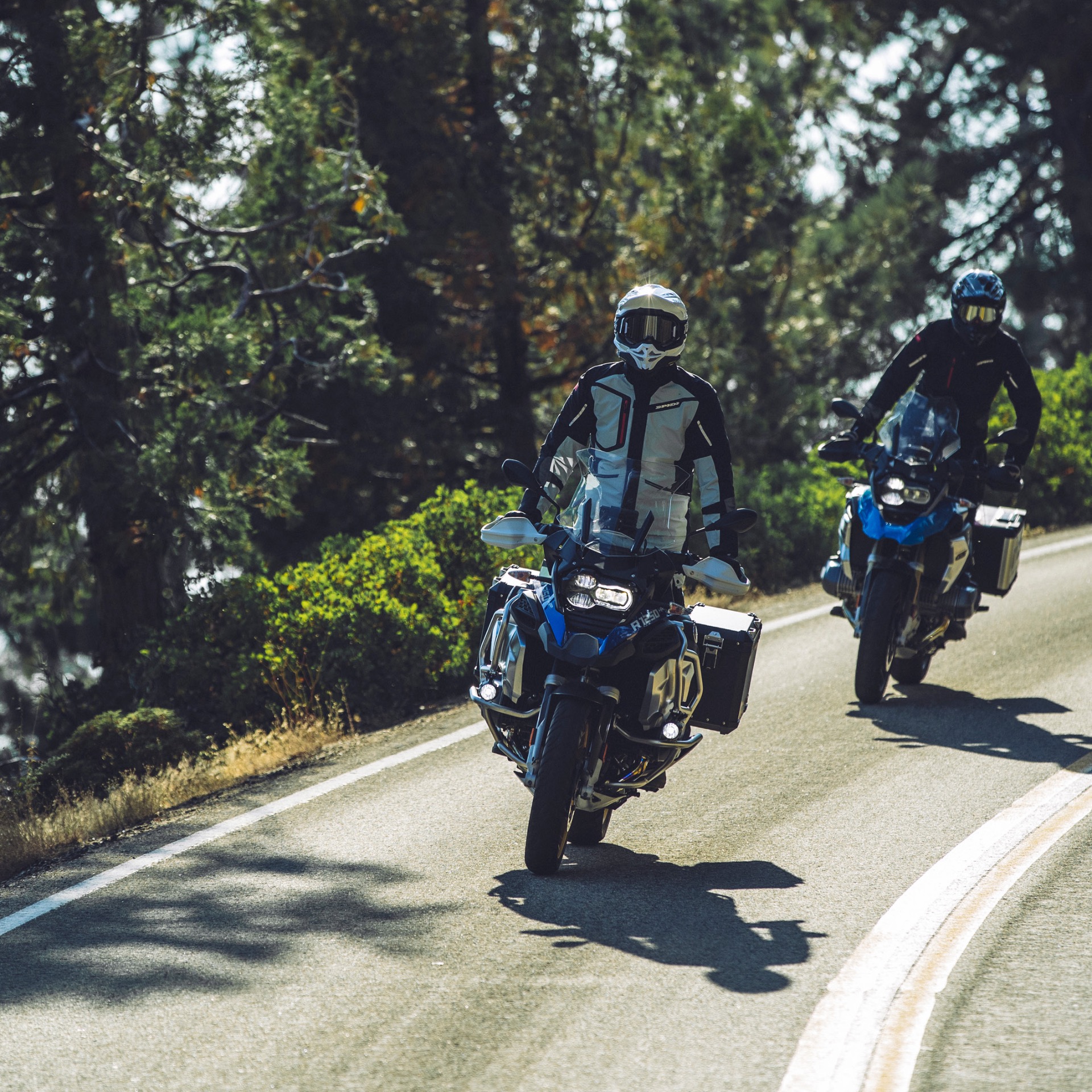
Embarking on an adventurous motorcycle journey is a fantastic experience that can bring you closer to the raw beauty of the world. Whether you're planning a cross-country road trip or a thrilling off-road adventure, preparation is key to ensuring a safe and enjoyable journey. In this article, we'll discuss essential steps to prepare for your motorcycle trip, ranging from planning, communication and navigation to safety gear and clothing choices.
→ Route Planning
The first step in preparing for an adventurous motorcycle trip is to plan your route. Consider the following factors when deciding on your destination and itinerary:
Distance: Determine how far you want to travel each day and the overall duration of your trip.
Terrain: Decide whether you'll be riding on highways, scenic routes, or off-road trails. Different terrains require different skill levels and equipment.
Points of Interest: Research the attractions, landmarks, and places you want to visit along the way. Plan your stops and overnight stays accordingly.
Weather: Check the weather forecast for your route and be prepared for various conditions. Ensure you have appropriate riding gear for hot, cold, rainy, or sunny weather.
→ The Right Gear
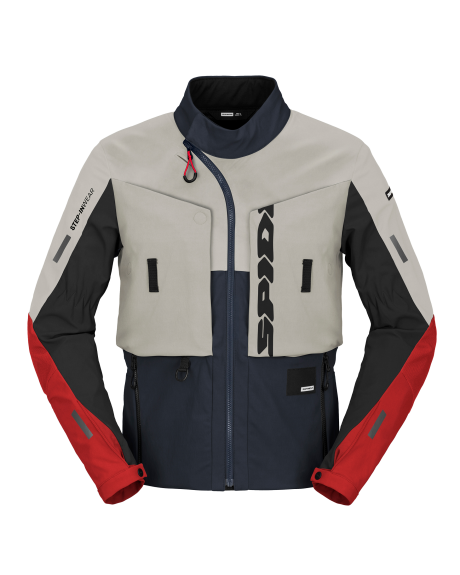
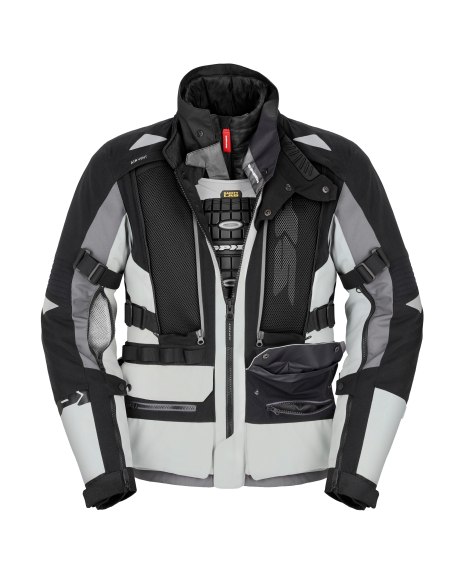
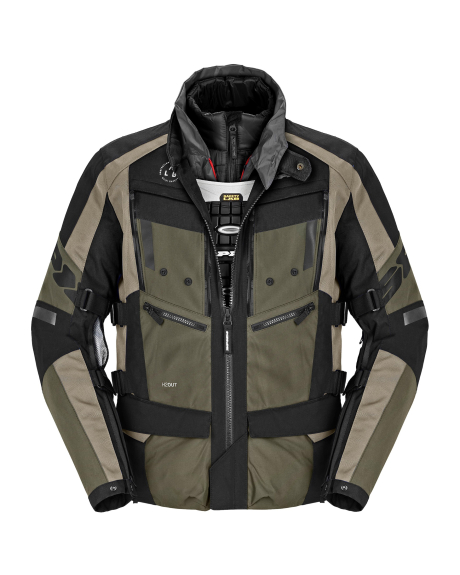
Your choice of riding gear can greatly impact your comfort and safety during the trip. The type of gear you need depends on the length of your journey and the expected temperature range. High-visibility gear is a must for added safety.
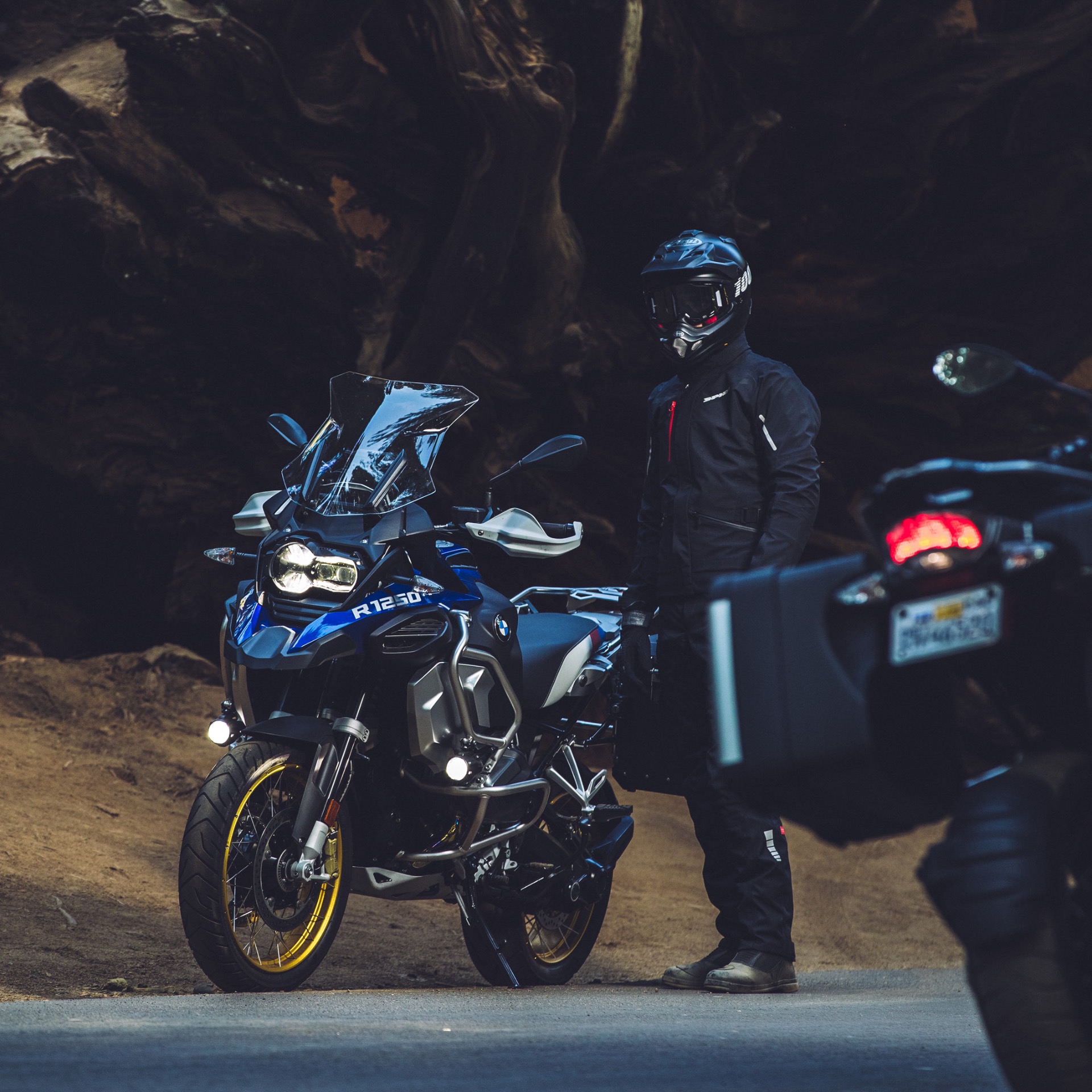
Protection: Always wear proper CE-certified safety gear, including helmet, gloves, riding jacket, pants, and sturdy boots.
Helmet: It’s the most critical piece of protective gear. Make sure it fits well and inspect the integrity of fasteners and the visor. Clean or replace it if necessary.
Jacket and Pants: Ensure they have protectors for the back, chest, and hip. These are vital, as those body parts have a high statistical probability of contact with the road surface in the event of an accident.
Gloves: Pack both a summer and a waterproof pair of motorcycle gloves to tackle different weather conditions.
Boots: Wear motorcycle boots that cover your ankle (above malleolus) for added protection, especially if you're riding a heavier and sturdier bike. Consider waterproof options or use waterproof boot covers for wet conditions.
Proper Technical Clothing: Wear thermal underwear that dries quickly. Opt for specifically designed motorcycle socks to enhance comfort during long rides. Choose t-shirts or turtleneck sweaters made of technical materials – they don't wrinkle and offer a stylish look.
Layers: Depending on your gear, incorporate insulating and waterproof layers into your jacket and pants or as separate outer garments to adapt to varying weather conditions. Don't forget essentials like a balaclava, neck warmer, or scarf made of technical material to protect your neck and face.

→ Be Prepared
Motorcycle safety is paramount for any trip. Here's how to ensure you're well-prepared:
Bike Inspection: Before hitting the road, thoroughly inspect your motorcycle. Check the tires, brakes, lights, and fluid levels. Make sure your bike is in excellent working condition.
Gear Fitting Test: Equally important is a fitting test for your riding gear. Your safety largely depends on the effectiveness of your protective gear, so it's imperative that everything fits properly.
First Aid Kit: Carry a basic first-aid kit for minor injuries or emergencies. It should include bandages, antiseptic wipes, pain relievers, and any personal medications you may need.
Motorcycle Tools: Bring a basic set of tools to handle common maintenance tasks or minor repairs on the road. This might include a tire repair kit, multi-tool, and a tire pressure gauge. And last but not least: don’t forget to bring a roll of duct tape – a real lifesaver for quick fixes and emergency repairs.
→ Pack Smartly
Space on a motorcycle is limited, so packing efficiently is crucial:
Luggage: Invest in motorcycle-specific luggage options like saddlebags, tank bags, and tail bags. These are designed to fit securely on your bike.
Packing List: Create a checklist of essential items, such as spare clothes, toiletries, rain gear, and camping equipment if necessary. Don't overpack; stick to the essentials.
Weight Distribution: Distribute weight evenly to maintain balance and stability. Place heavier items at the bottom and closer to the center of your motorcycle.
→ Briefing with Companions and Navigation
If you're riding with a group, communication and coordination are key:
Pre-ride Meeting: Hold a pre-ride meeting to discuss the route, stops, and emergency procedures.
Riding Formation: Establish a formation that allows for clear communication and safe riding. Keep a safe distance from the rider in front of you.
Communication: Develop a set of hand signals for communication while on the road, such as indicating turns, hazards, or the need for a rest stop. Consider investing in a reliable communication method, such as Bluetooth headsets, to stay connected while riding.
→ Know the Rules and Stay Informed
Traffic Laws: Familiarize yourself with the regulations in the areas you'll be traveling through. Different states and countries may have varying rules for motorcyclists. Ensure you have the necessary licenses and documentation.
Weather and Traffic: Check the updates on road conditions, traffic, and weather forecasts during your trip. Apps and websites can provide real-time information to help you make informed decisions.
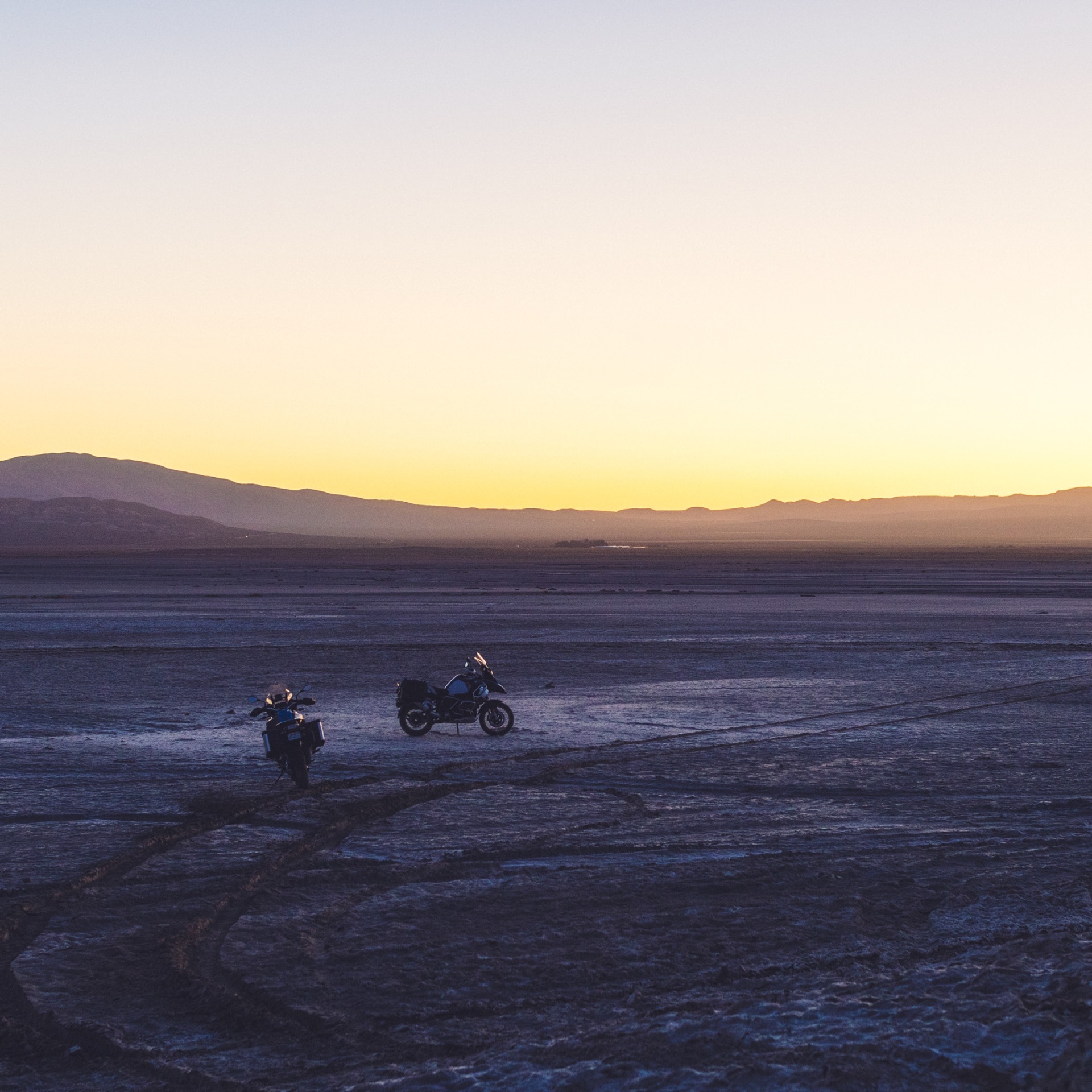
Preparing for an adventurous motorcycle trip requires careful planning and attention to detail. By following the steps outlined in this comprehensive guide, you can ensure a safe, enjoyable, and memorable journey. Whether you're riding solo or with a group, the key to a successful motorcycle adventure is proper preparation, adherence to safety measures, and a sense of adventure.